






What to Do If You're Arrested in Florida: A Step-by-Step Guide to Protecting Your Rights
 Aaron Delgado
Getting arrested in Florida is disorienting, and almost everything that determines how your case turns out happens in the first 24 hours, before you have talked to a lawyer. What you say at the scene, whether you agree to a search, whether you take a breath test, and who you call from the jail phone all become evidence. Most of the damage people do to their own cases is done politely, voluntarily, and within an hour of the handcuffs going on.
This guide walks through what to do if you're arrested in Florida, step by step, from the roadside through your first court date. It is general information, not legal advice for your specific situation, and the single most useful thing you can do is call a criminal defense lawyer early rather than late.
The two sentences that matter most
Before anything else, memorize these:
"I am going to remain silent. I want a lawyer."
Say them out loud, clearly, and then stop talking. Not sarcastically, not as a threat, just as a plain statement. Under Florida and federal law, staying quiet is not evidence of guilt, and asking for a lawyer is not an admission of anything. Everything below is an expansion of those two sentences.
Step 1: Do not resist, even if the arrest is wrong
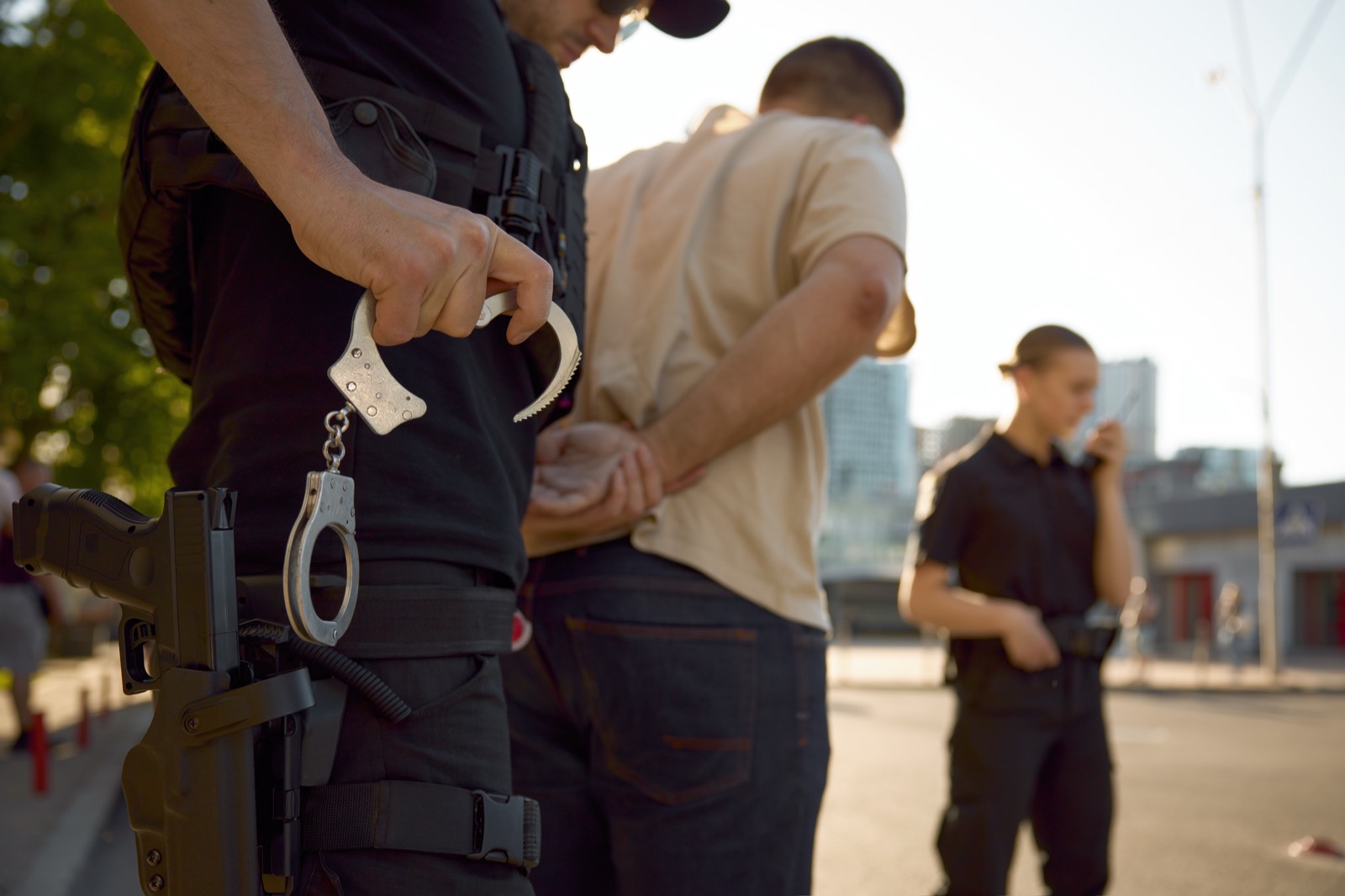
If the arrest is unlawful, that is an argument your attorney wins in a courtroom later, on the record, with the officer under oath. It is not an argument you win on the pavement. Pulling away, tensing up, or arguing while an officer is trying to cuff you can turn a dismissible case into a separate charge: resisting an officer without violence is a first-degree misdemeanor in Florida, and it does not go away just because the underlying charge does.
Keep your hands visible. Do not run. Do not give a false name, which is its own criminal offense. Comply physically, and object verbally later through your lawyer.
Step 2: Invoke your rights out loud, then actually use them
Silence has to be claimed. Simply not answering can be ambiguous, so say the words. After you do, the questions may keep coming, and they will often not sound like questions about your case. Officers may be friendly, may suggest that cooperating will help you, or may frame it as your chance to explain your side.
There is no version of this where talking your way out works. The officer has already decided to arrest you. Nothing you say at the scene results in the handcuffs coming off, and everything you say gets written into a report you will be reading for the next six months.
Give your name and identifying information when lawfully detained, as Florida's stop and frisk statute, section 901.151, contemplates. Beyond identifying yourself, you are done.
Step 3: Know what Miranda actually covers
Two misconceptions cost people cases every year.
The first is that officers must read you your rights the moment they arrest you. They do not. Miranda warnings attach to custodial interrogation, meaning questioning while you are in custody. An officer can arrest you, drive you to the jail, and never say a word about rights, and the arrest is still valid. It is worth understanding how Miranda rights actually work and the exceptions to the Miranda rule, including public safety questions and routine booking questions.
The second misconception is that a missing Miranda warning means the charges get thrown out. It does not. If your rights were not read before a custodial interrogation, the remedy is usually suppression of the statements you made, not dismissal of the case, so your case does not automatically go away. That said, suppressing a confession can gut the State's case, which is exactly why your lawyer needs to know precisely what was said and when.
Step 4: Do not consent to a search
You will often be asked, not told: "Mind if I take a look in the car?" Consent is one of the largest exceptions to the warrant requirement, and once you give it, you have given away a suppression issue your attorney could have used.
Say clearly: "I do not consent to any searches." If officers search anyway, do not physically interfere. Note what happened. Whether the search was lawful is litigated later, and an illegal search and seizure can result in the evidence being excluded. The same goes for the sequence of events during a traffic stop, particularly when K-9 units at traffic stops get involved, where how long the stop lasted before the dog arrived can decide the case.
Step 5: If this is a DUI, a 10-day clock just started
A DUI arrest in Florida runs on two separate tracks: the criminal case in court, and an administrative action against your driver license through the DHSMV. They move independently, and the administrative one moves fast.
Under section 322.2615, Florida Statutes, the citation you were handed generally functions as a temporary permit that expires at midnight on the 10th day, and you have 10 days from the notice of suspension to request a review hearing. Miss that window and you give up the chance to challenge the suspension, along with an early, sworn look at the officer's version of events. This is one of the most common and most expensive mistakes people make, and it is why DUI administrative hearings are usually the first thing we calendar.
Refusals now carry more weight than they used to. Since October 1, 2025, Trenton's Law has made a first refusal of a lawful breath, blood, or urine test a criminal offense in Florida rather than a purely civil matter, on top of the license suspension already imposed under section 316.1932 (one year for a first refusal, 18 months for a subsequent one). The calculus around whether to blow or refuse changed with that law, and it is worth understanding before you are ever in that position.
Step 6: What happens at booking and first appearance
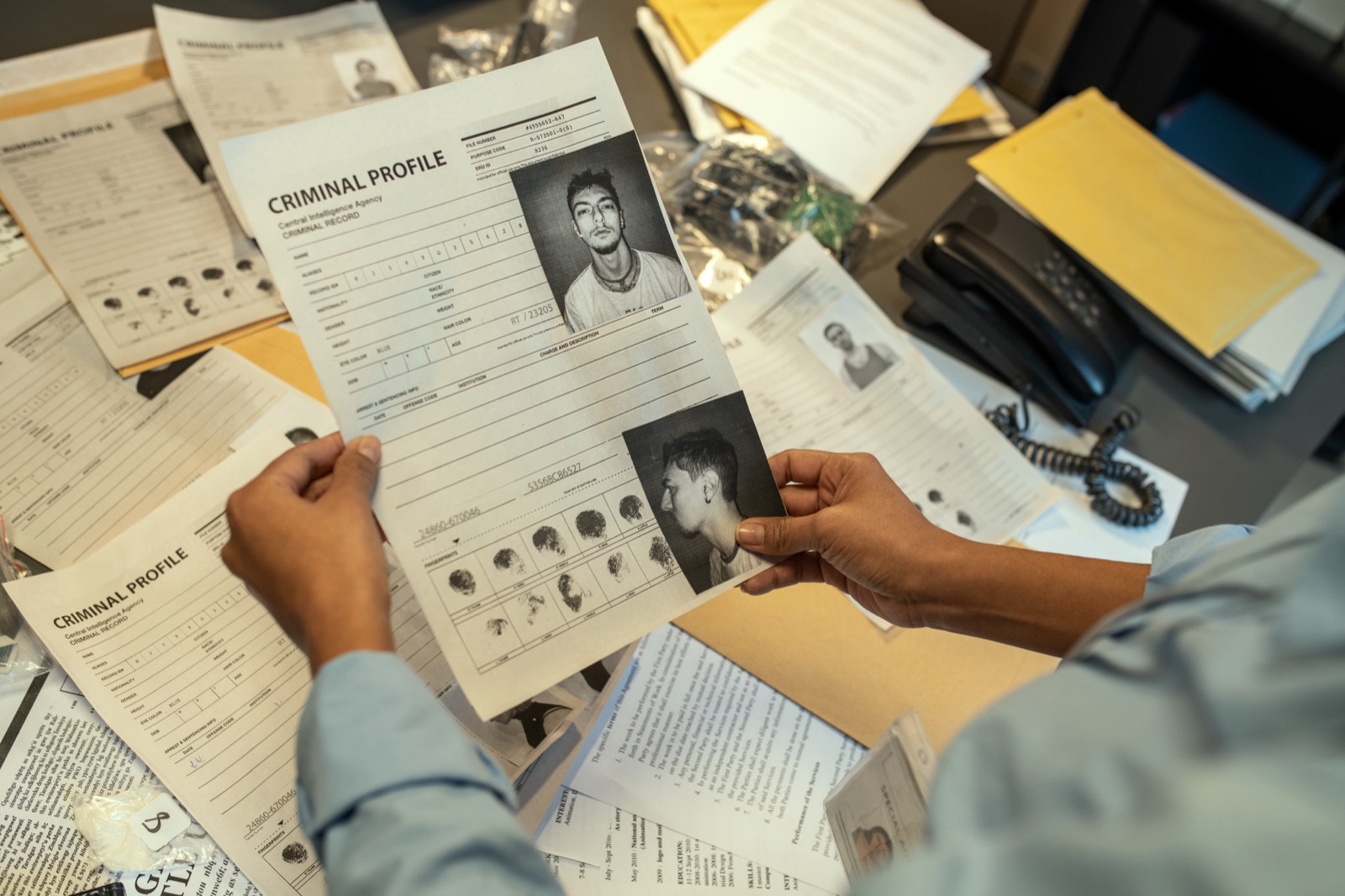
After the arrest you are transported, searched, photographed, fingerprinted, and held. Under Florida Rule of Criminal Procedure 3.130, you must be brought before a judge within 24 hours of arrest for first appearance, unless you bond out beforehand.
First appearance is short, often by video, and it is where the judge finds probable cause, addresses counsel, and sets conditions of release. It matters more than its length suggests, because the bond amount and conditions set here shape the next several months. Having a lawyer present, or having one file for a bond reduction quickly afterward, is frequently the difference between fighting your case from home and fighting it from a cell. If you are unfamiliar with the mechanics, start with how bail bonds work in Florida and the conditions courts attach to pretrial release.
Step 7: Assume the jail phone is recorded, because it is
Every call from a county jail, other than a properly placed call to your attorney, is recorded and routinely reviewed by prosecutors. People confess on jail calls constantly, usually while trying to reassure a family member. "I only had three" is a confession. "Just tell them I was home by ten" is witness tampering.
Use the phone to arrange your release and your lawyer, nothing else. There is a longer breakdown of what not to say on a jail phone that is worth ten minutes of your family's time.
The same discipline applies online. Posts, stories, comments, and messages are pulled routinely, and social media has become an ordinary evidence in Florida criminal cases source. Do not post about the arrest, do not delete old posts either, since that raises its own problems, and tell your family to stay quiet too.
Step 8: Warn your family about bail bond scams
Within hours of a booking hitting the public record, scammers call the family posing as bondsmen, deputies, or court clerks and demand immediate payment by gift card, wire, or payment app. Arrest records are public, so the callers have real names and real case numbers, which is what makes it convincing. No legitimate court, jail, or bondsman collects that way. Send your family the rundown on bail bond scams before they need it.
Step 9: Write it all down while it is fresh
As soon as you are able, write out everything you remember: the time, where you were, what was said, how long you were detained before anything happened, how many officers were present, whether a dog was used, whether you were read your rights, what you were asked, and what you answered. Note any witnesses and any cameras nearby, including businesses whose footage gets overwritten in days.
Memory degrades fast, and body camera footage and 911 audio are often subject to retention schedules. The details you capture in the first 48 hours are frequently the ones your attorney builds a motion around.
Step 10: Get a lawyer involved before your first court date
The window between arrest and formal charging is when a defense attorney has the most leverage, because the prosecutor has not yet committed to a charging decision. That is the moment to present mitigation, flag a weak search, or push for a filing decision that never becomes a conviction. Waiting until arraignment gives that window away.
Do not try to handle it yourself. The risks of representing yourself in a criminal case are not theoretical, and the procedural traps are unforgiving. If cost is the concern, ask about payment plans rather than going without counsel, and here is what to expect at that first meeting.
If the person arrested is your child
Juvenile cases run through a different system with different timelines, different detention rules, and different long-term consequences, including how the record follows a young person into college applications and job screening. A parent's instinct is to get their child to explain themselves to the officer. Resist it. The same rule applies: identify, then stay quiet, then call a lawyer. Start with if your child is the one arrested and our overview of juvenile offenses.
What happens after the arrest
An arrest is not a charge. The State Attorney's Office decides independently whether to file, what to file, and whether to reduce. From there the case moves to arraignment, then discovery, depositions, and motions, then resolution by negotiation, trial, or dismissal.
Timing matters here too. Florida's speedy trial rule was amended in 2025, and the clock now runs from when formal charges are filed rather than from the date of arrest, with 90 days for misdemeanors and 175 days for felonies where no demand is made. Because those dates now hinge on the filing date, they are easy to miscalculate. Our speedy trial calculator is a starting point, though the deadlines in your case should be confirmed by your attorney.
Thinking ahead to your record
Even a resolved case leaves a trail. An arrest record exists whether or not you were convicted, and background checks pick it up. Depending on the outcome, you may be eligible to seal or expunge, and whether the court withheld adjudication is often the deciding factor, which is why adjudication withheld is worth understanding before you accept any resolution. When you get there, our free eligibility checker will tell you in a few questions whether you likely qualify.
Frequently asked questions
Do I have to answer police questions in Florida?
You must identify yourself when you are lawfully detained. Beyond that, you are not required to answer questions about where you were, what you were doing, how much you had to drink, or anything else. Say that you are remaining silent and that you want a lawyer, then stop.
What happens if the police never read me my rights?
The arrest is still valid. Miranda applies to questioning while in custody, so the usual remedy for a violation is that your statements get suppressed, not that the case is dismissed. Tell your attorney exactly when the questioning started and what was said.
How long can they hold me before I see a judge?
Florida Rule of Criminal Procedure 3.130 requires that an arrested person be brought before a judge within 24 hours of arrest, unless released beforehand.
Should I refuse a breath test in Florida?
There is no universal answer, and the stakes changed on October 1, 2025, when Trenton's Law made a first refusal a criminal offense on top of the automatic license suspension that already applied. Refusal is also admissible against you. This is a decision to understand in advance, not one to improvise at the roadside.
How soon should I call a lawyer?
Immediately, and certainly before your first court date. If it is a DUI, the 10-day window to request a hearing on your license suspension begins running from the notice of suspension.
Talk to a Daytona Beach criminal defense lawyer
If you or someone in your family has been arrested anywhere in Volusia, Flagler, or St. Johns County, the right time to call is now, not after the first court date. Our criminal defense team handles cases from our offices in Daytona Beach and throughout the surrounding area, and the consultation is free.
This article is general information about Florida law and is not legal advice. Reading it does not create an attorney-client relationship. Every case turns on its own facts, and you should speak with a licensed attorney about your situation.